onemorelook
Skip to content
Upload

One more look.
Before you commit.

One More Look is an editing assistant for photographers.

Upload a burst or small portfolio. The read names what holds, what weakens the edit, and where the evidence sits in the frame.

No scores or stars. Each claim points at something visible.

Images deleted within 24 hours · GPS stripped on upload · never used for training · no account

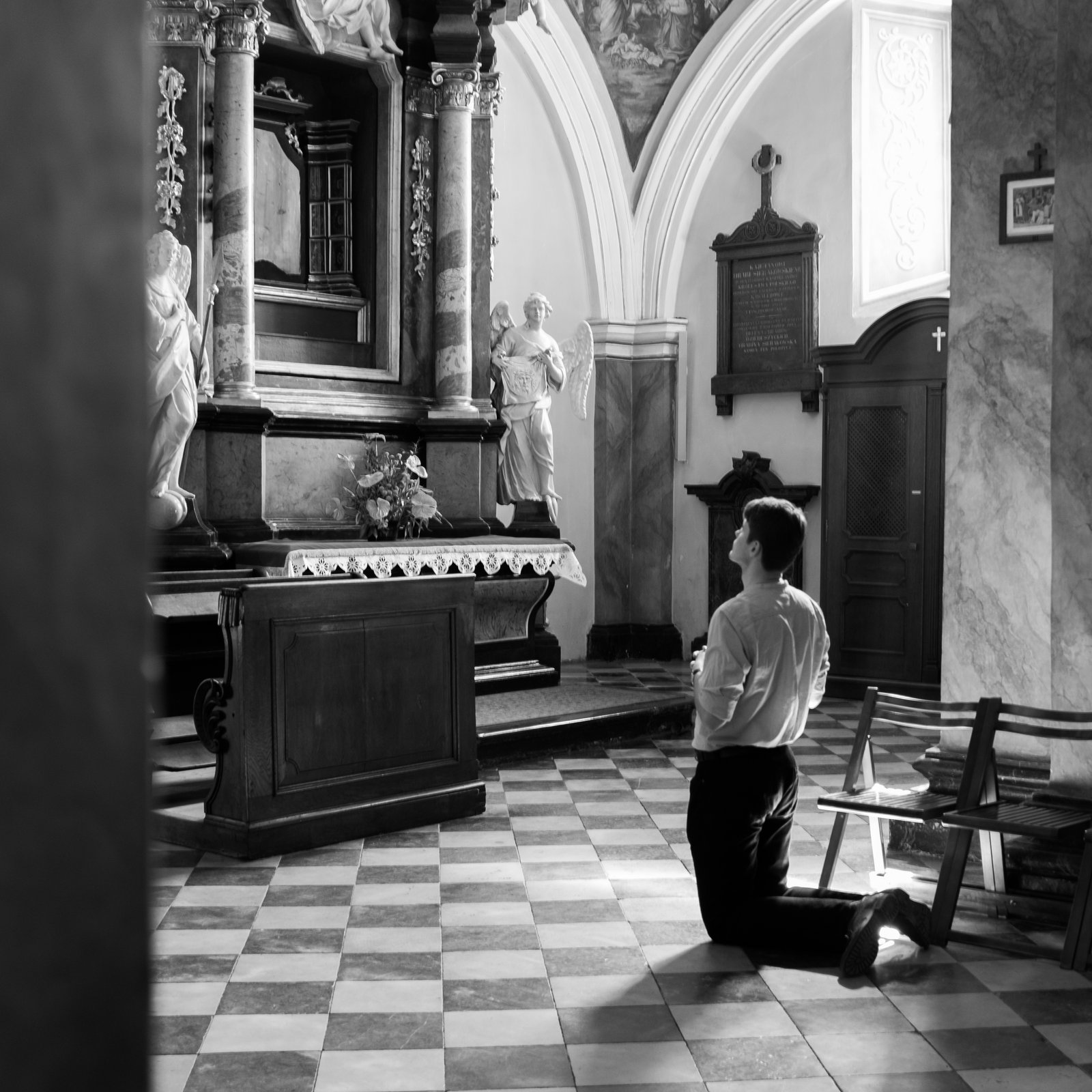
A man kneels on a checkerboard church floor, looking up at a winged statue beneath a stone arch  -  the owner's own photograph from the published example read.
  • the arch overhead builds a clear enclosing structure
  • the kneeling man echoes the carved figure above him
  • the pillar-edge vantage keeps the viewer outside the scene
See the full example read

Published example

A full read, including the cuts and caveats.

The example uses the owner’s photographs. Everyone else’s uploads expire after 24 hours.

Open example
Why

What the review is for.

The standard, not taste

Verdicts come from published criteria: definitions, tests, and cases where breaking a rule still works. Read the street or portrait criteria before you upload anything.

A second read you can inspect

The report names the strongest frame or body pattern, then shows what the nearest rivals gain and lose.

Nothing to game, nothing sold

No scores, badges, feed, or gear recommendations. The review is the product.

One criterion, shown

The standard is visible.

Street and portrait reads use versioned criteria you can inspect before uploading.

Read all of them

ST-06

Layering with plane legibility

Source: Alex Webb; multi-plane composition

Definition

The frame holds multiple depth planes, each containing a distinct, legible visual event, and the planes read separately rather than collapsing into clutter.

Test

Count occupied foreground, middle, and background planes. Can each plane's event be parsed without fighting the others?

Productive violation

Deliberate flatness can pass when it is rigorous: parallel planes and controlled edges, not merely absence of depth.

Example burst

A Live Photo becomes neighboring frames.

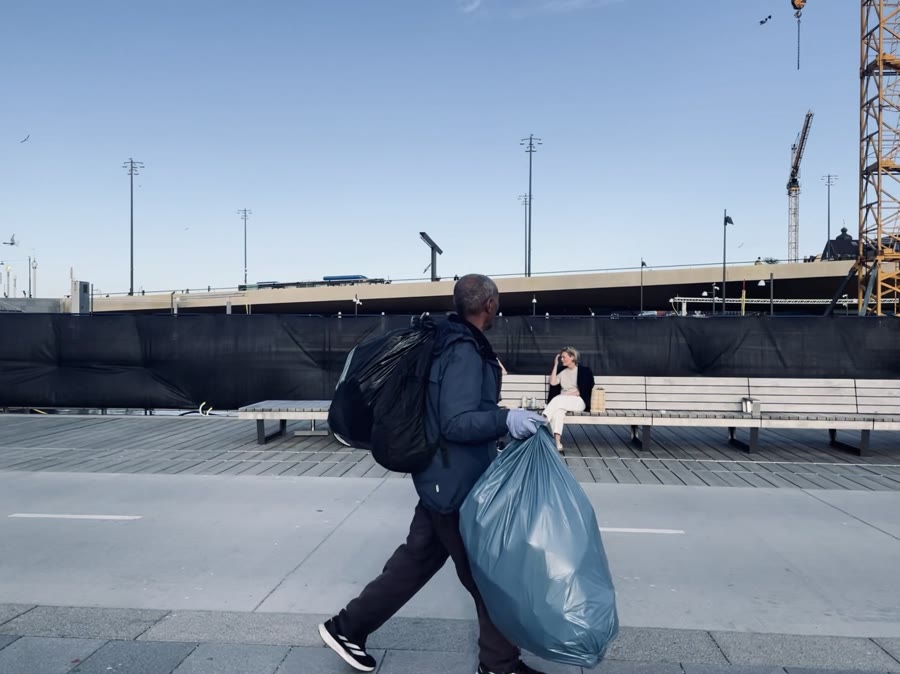
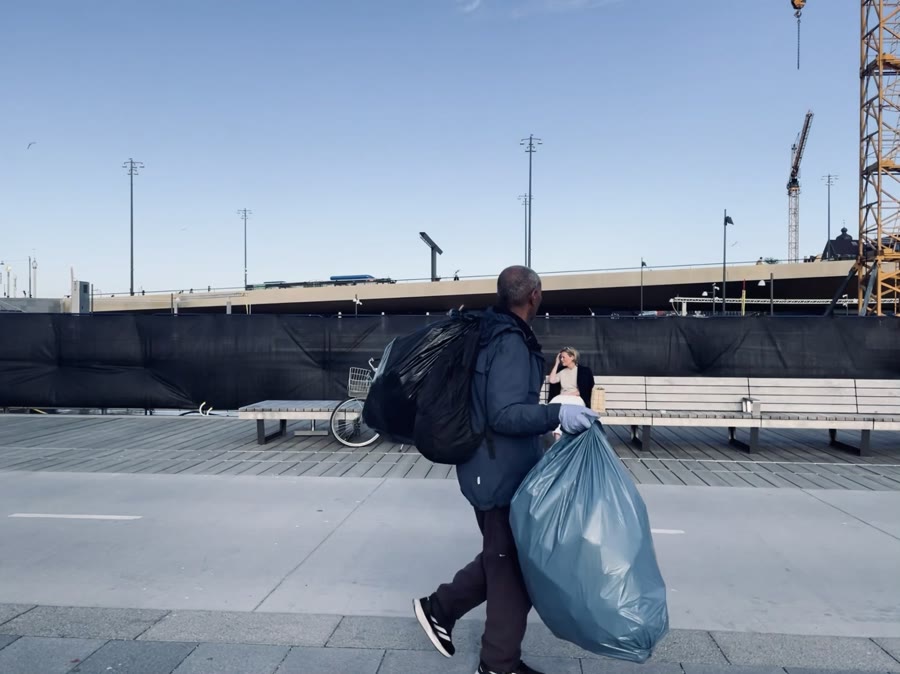
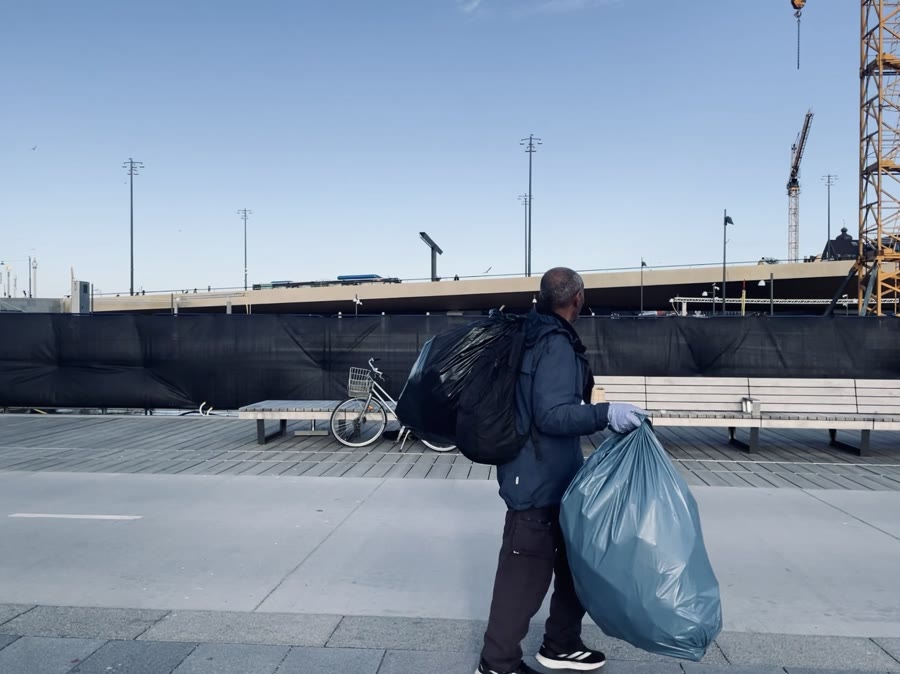
Five neighboring frames were exported from a 1.9-second phone Live Photo. The review looks for small differences in stride, separation, gesture, and background discipline, then names a rubric pick and the closest rival.
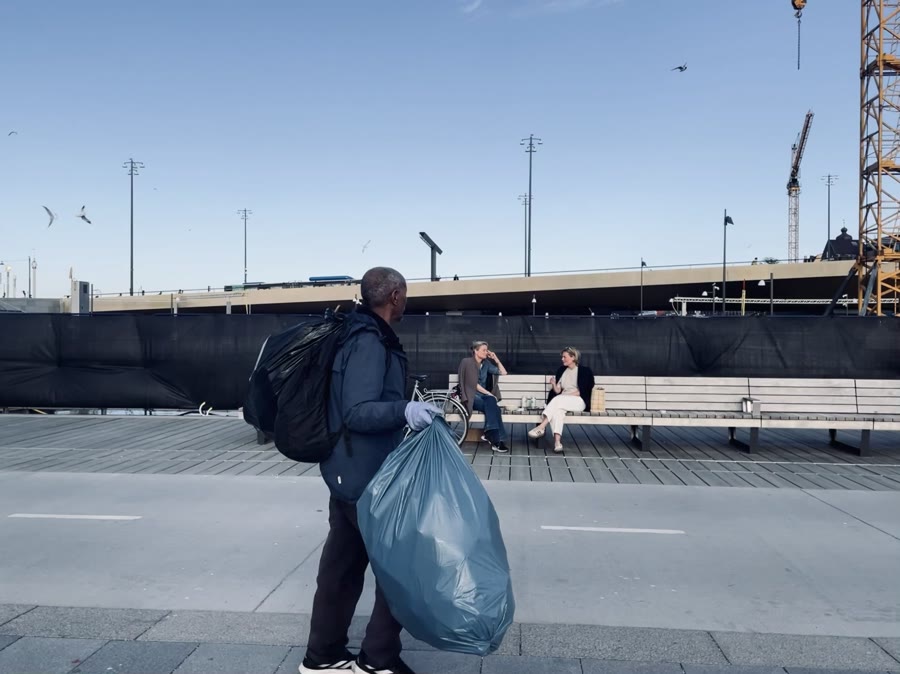
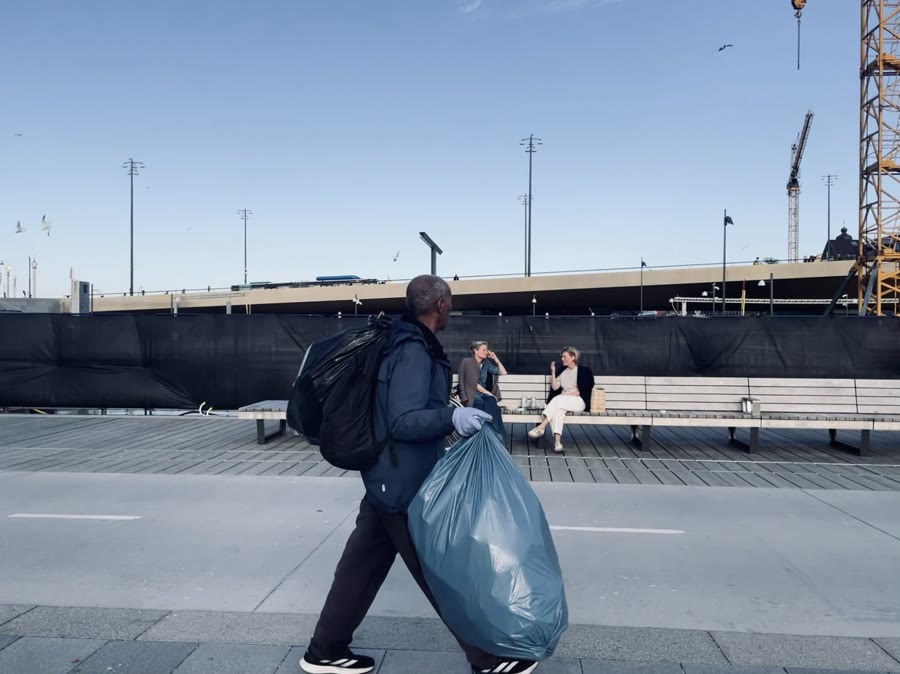
First frame of a Live Photo burst showing a person walking with a blue bag.
Frame 01
Second frame of the same walking burst.
Frame 02
Third frame of the walking burst, marked as the rubric pick.
Frame 03 · rubric pick
Fourth frame of the walking burst, marked as the nearest rival.
Frame 04 · near miss
Fifth frame of the walking burst.
Frame 05

Sample read

Frame 03 holds the cleanest walking shape: the stride is open, the bag keeps its outline, and the figure stays clear of the pale background group. Frame 04 is close, but the body starts to merge with the figures behind it.

Public example from the owner's Live Photo, exported without location, device, or capture time metadata. Normal uploads still expire after 24 hours.

Burst review

Upload neighboring frames from the same moment. The read names the strongest frame, the closest rival, and the reason for the margin.

Review a burst

How it works

01

Upload

Choose burst or portfolio, then choose street or portrait. JPEG with metadata or camera RAW.

02

The read

Frames are checked against versioned criteria: figure-ground, timing, layering, tonal hierarchy, and productive violations.

03

Nearest rivals

The pick is compared with the closest rival, so the edit is not just a verdict.

Questions
before upload

Who does the judging?

A vision model, held to criteria written and versioned by people. Every claim must point at visible evidence and cite a criterion from the active standard - the same criteria published on the rubric page. Output that fails validation is rejected, not shown to you.

How long does a review take?

A burst read usually comes back within a few minutes. Portfolio reviews run in multiple passes and take longer - leave an email on the report page and the link arrives when the review is ready.

What are the criteria?

Versioned criteria for street and portrait photography, drawn from the working canon of each genre. Each criterion carries a definition, a test, grade descriptions, and a productive-violation clause - when breaking the rule is the picture. Every result is tagged with the version that produced it, and you can read the whole street or portrait rubric.

What happens to my photographs?

Deleted within 24 hours - originals and every derivative; the review link stops resolving at the same time. GPS is stripped before anything touches storage. Your images are never used for training. There is no account; a session lives behind an unguessable URL. Details on the privacy page.